Aliquoting Reconstituted Peptides: Single-Use Stocks for the Lab
A stock solution is at its best the moment the powder dissolves, and every trip back into the tube after that chips away at it. Aliquoting reconstituted peptides into single-use portions is the simplest way to stop that slow decline, and it matters more as order sizes grow. A lab working through a multi-vial lot over several months may have a dozen people pulling from the same material, and without a plan the stock that fed the first experiment is not the stock that feeds the last. This guide covers how to split in-vitro and analytical stock sensibly, how to label and log it, and what to check when a series of results starts to wander.
Why a shared stock tube degrades faster than you expect
A tube of dissolved peptide does not fail in one dramatic event. It loses quality through several small, independent processes, and each opening gives all of them another turn.
- Microbial ingress. Every uncapping and every pipette tip is a chance to introduce organisms, and many lab buffers are a perfectly good growth medium.
- Evaporative concentration. Small volumes lose solvent each time the headspace is exchanged. Over weeks, a stock recorded at one concentration can quietly climb above it, which biases every dilution made from it.
- Oxygen exposure. Fresh air in the headspace feeds oxidation. Sequences carrying methionine, cysteine or tryptophan are the ones most at risk.
- Temperature cycling. Taking a tube out of the fridge or freezer and back again repeatedly warms and cools the contents, and freeze–thaw cycles in particular encourage aggregation.
None of these shows up as a visible change until well after the data have been affected. That is the real argument for aliquots: they remove the problem before it can be measured.
Aliquoting reconstituted peptides: sizing the portions
The right aliquot volume comes from the assay, not from the tube rack. Start with what a single working session actually consumes: the plate layout, the number of replicates, the dilution series, and a small excess for pipetting loss. That figure, rounded up slightly, is the aliquot size. Each portion is then thawed or opened once, used, and the remainder discarded.
Portions sized for convenience, such as splitting a stock into round-number volumes, tend to be larger than one session needs. The leftover goes back into storage and the tube becomes a small shared stock again, which undoes the point of the exercise.
A few practical details help:
- Prepare all aliquots from one stock in one sitting, so every tube starts with the same history.
- Mix the parent solution gently and completely before dispensing, so the first and last tube match in concentration.
- Keep a handful of spare aliquots beyond the planned number, for repeats and troubleshooting.
Choosing tubes for low-concentration stocks
Container choice matters most when volumes and concentrations are both small. Peptides, especially short cationic and strongly hydrophobic ones, stick to plastic and glass surfaces. In a large volume the fraction lost to the wall is negligible. In a small, dilute aliquot it can be a meaningful share of what is in the tube, and it varies with the plastic, which is one reason two labs can get different numbers from the same material.
Low-binding polypropylene microtubes cost more per unit but are worth it for dilute working stocks. Screw-cap tubes with an O-ring seal limit evaporation better than snap caps during long frozen storage. Whatever you choose, use the same tube type throughout a study so the surface loss, whatever it is, stays constant.
Labelling each tube and logging the lot
A label on the box is not enough, because tubes leave boxes. Each aliquot should carry, at minimum:
- Compound name and the supplier lot number.
- Concentration, with units.
- Solvent or buffer, since nobody can tell by looking.
- Date the stock was prepared.
- Initials of the person who prepared it and a short aliquot number.
For labs buying in volume, the inventory log is where aliquoting pays off. Record the parent vial, its cap and crimp colour, the certificate it was filed against, the number of aliquots made and where they are stored. As tubes are consumed, tick them off. When one lot runs out and the next begins, the log shows exactly which experiments used which material, so any step change in the data can be traced to a lot change rather than guessed at.
Where aliquots should be stored
Short holds of a few days are usually fine at 2–8 °C, with the tubes kept dark and upright. For anything longer, many labs freeze single-use aliquots at −20 °C or colder so that each tube experiences exactly one thaw. Freezer placement matters too: avoid the door and the front of shelves in frost-free units, which cycle in temperature.
When a cold tube comes out, let it reach room temperature before the cap comes off. Condensation forming on cold plastic can drip into the solution and dilute it. Solutions should still be made up fresh when the experimental design allows; aliquoting slows solution-phase degradation, it does not stop it.
When results drift across a series
If an assay readout creeps up or down across a run of experiments, check the material before the biology. Useful questions to answer from the log:
- How old was the solution for each run, counted from preparation?
- Was each aliquot opened once, or were leftovers reused?
- Did the runs span a change of lot or a change of tube type?
- Was any aliquot thawed, refrozen and used again?
Recording solution age and entry count next to every result costs a few seconds per run. Without those two columns, the only way to rule the stock out is to repeat the series from a fresh vial.
Material and paperwork from Bulk Peptides
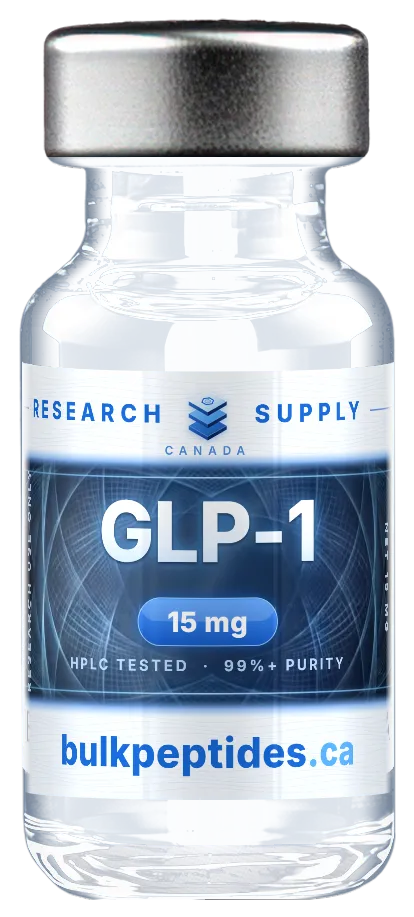
Larger vials, such as GHK-Cu 100mg or NAD+ 1000mg, are the ones where a written aliquot plan saves the most material. Our products are third-party tested for HPLC purity, some products have their certificates posted on the certificates of analysis page, and each vial’s cap and crimp colour ties it back to its certificate, which is the detail worth copying into your aliquot log. For background on getting the stock right in the first place, see picking a solvent for reconstitution and weighing hygroscopic powder accurately.
The handling described here applies to in-vitro and analytical laboratory stock only. Bulk Peptides sells its compounds for research purposes, not for use in people or animals.