Supplier and Purchaser Duties for Research Material in Canada
When a lab places a large order for research material, two parties take on obligations the moment the purchase order is accepted. Knowing where the research peptide supplier’s job ends and the purchasing lab’s job begins avoids gaps that neither side notices until something goes wrong. For anyone sourcing from a research peptide supplier in Canada, especially in bulk or multi-vial quantities, this article maps out who is typically responsible for what, from synthesis through to disposal.
Why a clear split matters more at volume
A single vial bought for a pilot experiment carries modest risk. A standing order of dozens of vials across several products, received by one person, logged by another and used by a whole team, multiplies the handoffs. Each handoff is a point where an assumption can slip: that someone else checked identity, that the storage requirement was passed on, that the intended use was documented. Writing the split down turns those assumptions into tasks with owners.
What the supplier should own
A responsible supplier of research-use-only material takes on the obligations that sit naturally with the party who makes, tests, labels and ships the product:
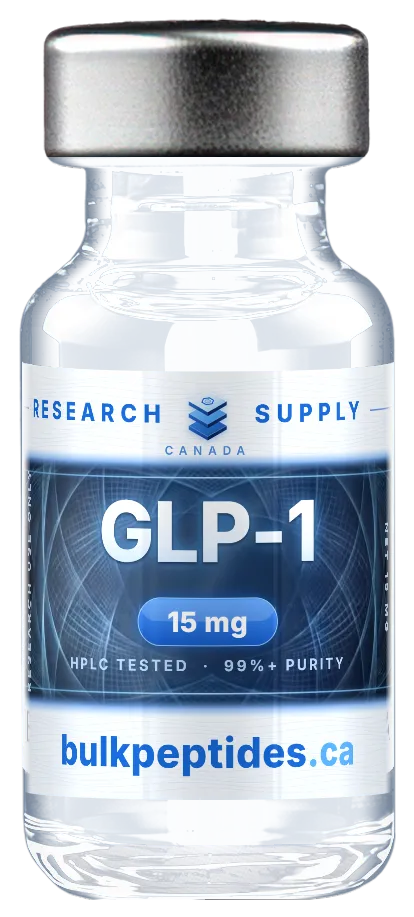
- Identity and quality information. Accurate product names, sequences and molecular weights, plus analytical testing such as HPLC purity and mass confirmation. At Bulk Peptides, products are third-party tested, certificates are published for some products, and vials are matched to their certificate by cap and crimp colour.
- Clear labelling. Product name, quantity, lot number and a research-use-only statement on every vial and in every listing.
- Honest description of scope. Product information limited to chemistry, analytical data and published in-vitro literature, with no claims about use in people or animals. Describing a substance for human use would bring it into drug territory under the Food and Drugs Act whatever the label says, so this is a real constraint on the seller, not a disclaimer.
- Fit-for-purpose packaging. Sealed vials, protective packing and shipping arranged to suit the product and the season, with tracking.
- Hazard communication. A compliant supplier label and safety data sheet wherever the product is classified as a hazardous product, and correct transport classification of what it ships.
- Traceability. The ability to tie any vial back to its lot and test record if a question arises.
- Responsive correction. Acknowledging and resolving errors in shipment, labelling or documentation promptly.
What the purchasing lab should own
Once material is delivered, control passes to the buyer, and with it a set of obligations the supplier cannot carry for them:
- Qualified use. Ensuring the material is used only by trained personnel for legitimate in-vitro or analytical research, and never for human or veterinary purposes.
- Institutional compliance. Meeting the rules of the lab’s own institution, biosafety committee and applicable provincial and federal requirements for the work being done, including looking up each compound against the schedules of the Controlled Drugs and Substances Act themselves instead of taking the seller’s word for it.
- Receipt inspection. Checking the shipment on arrival against the order, noting condition, and quarantining anything questionable.
- Storage and handling. Following the stated storage conditions from the moment the package is opened.
- Own verification where needed. Where a study depends on tighter specifications than the supplier’s testing provides, running in-house identity or purity checks.
- Records. Maintaining inventory, usage and disposal logs.
- Disposal. Disposing of unused material and contaminated consumables through appropriate chemical waste streams.
The person at the bench is a third party
It is tempting to think in terms of two parties, but inside the buying organisation sits a third: the individual who actually handles the material. Their duties are distinct from the organisation’s, even in a small lab where one person fills every role. They use the material only within the terms it was supplied under, follow local handling procedures, label what they decant or dissolve, and record what they did with each vial. Every certificate describes the lot at the time it was tested; what happens to a vial after delivery is in the hands of whoever holds it.
Shared ground: where both parties have a role
| Area | Supplier’s part | Purchaser’s part |
|---|---|---|
| Documentation | Provide test data, lot numbers and safety information | File it with the inventory record and check it against the vials received |
| Cold chain | Pack and ship to suit the product and conditions | Collect promptly and move to correct storage without delay |
| Discrepancies | Investigate and correct errors | Report them quickly with photos, lot numbers and details |
| Intended use | Sell and describe products as research-use-only | Use them only within that scope |
Duties run in parallel, they do not transfer
Ownership and physical risk pass to the buyer on delivery. Regulatory and ethical duties do not move that way. Each party holds its own obligations at the same time, independently. A buyer’s signed acknowledgement does not excuse a seller who describes a product for human use, and a supplier’s thorough paperwork gives the purchasing lab no approval for its own research. Research-use-only terms are best read as a statement of the scope the material was supplied for, which both sides are then bound to respect.
Choosing a research peptide supplier in Canada with this split in mind
When evaluating a supplier for recurring or large-volume purchases, procurement and QC teams can test whether the supplier’s side of the line is solid:
- Is testing performed by an independent laboratory, and can you see results for the products you intend to buy?
- Does every vial carry a lot number, and can the supplier tell you which certificate matches which vial?
- Is product information confined to research, chemistry and analytical data?
- Does the supplier ship within Canada with tracking, and adjust packing for hot and cold months?
- Is there a real contact for documentation questions and order problems?
Pricing structure matters for budget planning too. Bulk Peptides uses mix-and-match volume pricing, so every vial in the cart counts toward the volume break regardless of which products are chosen, which suits labs ordering several compounds at once.
Putting the split into your lab’s procedures
The most effective step is often the simplest: a one-page purchasing procedure that names who orders, who receives, who inspects, who logs and who approves material for use. Attach it to the inventory system so that each incoming order generates the same checklist. Include a line confirming that the material is for research use only and that end users have been told so.
For multi-vial orders, assign one person to reconcile the packing list against the vials and lot numbers before anything goes into storage. Mismatches are far easier to resolve on the day of receipt than weeks later when vials have been spread across freezers and projects.
When something goes wrong
If a vial arrives damaged, a label looks wrong, or analytical results do not match expectations, the division of responsibilities tells each side what to do. The purchaser documents and reports; the supplier investigates and responds. Keeping the unused vials, the packaging and the receipt record until the issue is closed gives both sides what they need to find the cause.
This article is general information, not legal advice. Anyone whose position depends on a specific legal question should work from the current consolidated statutes and regulations or obtain professional advice.
Products from Bulk Peptides are sold for laboratory research only. They are not drugs, foods or cosmetics and must not be used in humans or animals.