Sample Chain of Custody: Tracing a Peptide Vial to Its Result
A test result is only as useful as your confidence that the material tested is the material you have. A sample chain of custody is the paperwork that supplies that confidence: a dated, signed record of every hand the sample passed through between the moment it was drawn and the moment it reached the instrument. For a lab that receives research peptides in multi-vial shipments, and occasionally sends a vial out for independent analysis, a simple custody routine turns a result that could be argued with into one that can be traced.
What a sample chain of custody records
The format varies between organisations, but the core fields are consistent. Each time the sample changes hands, a new line is added.
| Field | What it captures |
|---|---|
| Sample identity | Compound, vial group, cap and crimp colour, any internal inventory code |
| Released by / received by | Names of both parties, with signatures or initials |
| Date and time | When the handover happened |
| Condition at handover | Seal intact or not, appearance of the cake, temperature of the packaging |
| Storage between handovers | Where it was held and at what temperature |
| Actions taken | Opened, aliquoted, repacked, shipped |
The point is reconstruction. Months later, anyone reading the form should be able to follow the sample from its source to the result without gaps or guesswork.
The three questions custody answers
- Is it the same material? This is the central one. Custody links the tested vial to a specific delivery, vial group and certificate, and rules out mix-ups with similar-looking stock on the same shelf.
- Could anything have changed it on the way? A peptide that sat in a warm courier van for days may be analysed perfectly and still no longer represent the vials in your freezer. The storage and condition entries show whether that risk exists.
- How long did it take? Elapsed time between sampling and analysis matters for properties that drift, such as moisture uptake or the slow oxidation of methionine-containing sequences.
Where custody breaks inside a busy lab
Forensic and environmental labs treat formal custody as routine, because their results may end up being challenged. In research labs it tends to be informal, and the weak points are predictable:
- The receiving dock. A box signed for by whoever was nearby, left at room temperature until someone from the right group noticed it.
- Shared cold storage. Vials of the same compound from different deliveries stored together, with nothing but memory to separate them.
- Aliquoting. Material split into tubes whose labels do not carry the original vial group.
- Outbound shipping. A vial sent to an external lab with a handwritten note and no record of which group it came from.
Each of these can be fixed with a line in a logbook. The goal is not bureaucracy; it is making sure that when a result comes back surprising, you can tell whether the surprise is in the material or in the handling.
Sending a vial for independent testing
Labs that buy in volume sometimes commission their own analysis to confirm what a supplier certificate reports. A custody record is what makes that comparison fair. A practical sequence:
- Choose the vial deliberately, and write down why it was chosen and which vial group it represents.
- Record its cap and crimp colour and the certificate that colour pairing corresponds to.
- Keep at least one sealed vial from the same group in your own storage as a retained sample, in case a retest is needed.
- Photograph the vial and its seal before packing.
- Pack with cold packs suited to the transit time, and note the packing time and method.
- Complete a custody form that travels with the sample, and keep a copy.
- Ask the receiving lab to note the condition and temperature on arrival and sign the form.
When the report comes back, file it alongside the custody form and the original certificate. If the results disagree, the custody record is the first document anyone will ask to see.
What a custody record cannot establish
An impeccable chain proves only that the thing tested is the thing that was collected. It says nothing about whether the material was good. A well-documented sample of poorly made peptide is still poorly made.
It also inherits every decision made before the first signature. If the sampled vial was simply the one at the front of the box, the custody chain faithfully documents a sample that may not represent the rest of the order. How vials should be chosen is a separate question, covered in our article on sampling plans and batch representation.
How this applies to supplier certificates
In research-grade chemical supply, the supplier usually sends samples to the testing lab as a routine commercial job, and what travels with them is an order form for the analysis rather than a signed custody record. That is standard practice across the market, and it defines what a certificate covers: the material that was submitted, analysed accurately.
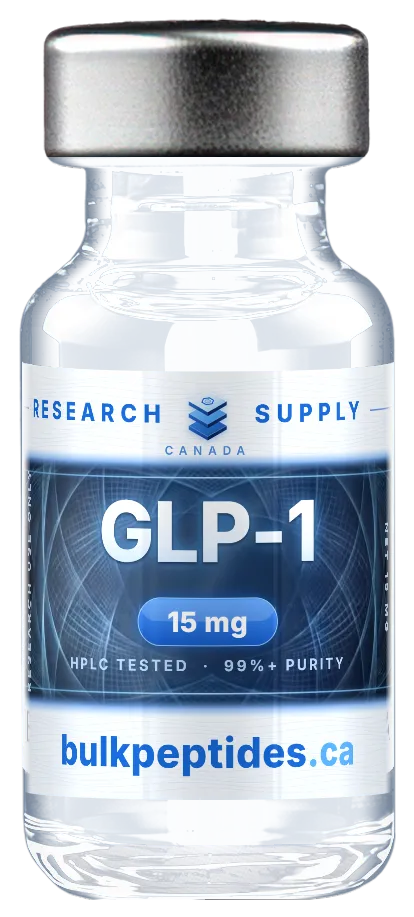
At Bulk Peptides, products are third-party tested for purity by HPLC. We publish certificates for some products on our certificates of analysis page, and each vial is tied to its certificate by cap and crimp colour, which gives your own custody record a clear starting point. If an independent lab working from a properly documented sample reports something different, our purity guarantee sets out how we handle it. For the scope of a typical third-party report, see what a third-party peptide test measures.
All materials referred to here are supplied for laboratory research and analytical use only. They are not intended for use in humans or animals.